Explore the opportunities and challenges of renovating a charming old house and land for sale. Understand the key steps involved in transforming a property into a desirable piece of real estate. Renovating an old home requires a balance of preserving its original charm while integrating modern conveniences that appeal to today’s market.
This endeavor not only enhances the visual appeal of the residence but can significantly boost its market value. With the right strategy, fixing up an old house can become a rewarding investment that attracts discerning buyers looking for historic charm coupled with contemporary comforts.
How do I assess the condition of an old house?
When assessing the condition of an old house, one must first identify any structural issues that need immediate attention. This includes evaluating the foundation, roof, and walls for any signs of wear or damage. Structures of historical significance may prevent certain types of renovations, so understanding the historical value of the style is crucial. Moreover, the plumbing and electrical systems should be inspected since outdated infrastructure could necessitate costly updates. Armed with this information, you can prioritize repairs that will ensure the safety and integrity of the building while also enhancing its aesthetic value.
It is equally important to conduct thorough inspections to determine the extent of necessary improvements. Historical homes often come with unique challenges, such as the presence of hazardous materials like lead paint or asbestos, which must be addressed with care. Working with professionals who specialize in older properties can provide invaluable insights, ensuring that all areas are evaluated appropriately. Documenting any issues discovered during the assessment stage can aid in decision-making and provide a roadmap for future renovations. Successfully assessing these components is integral to successfully renovating an old house, setting the stage for a transformation that is both safe and visually appealing.
The preservation of historical integrity can also enhance the home’s value and appeal to specific buyer markets interested in history and architecture. Features such as crown moldings, original hardwood floors, and unique architectural details should be highlighted. Conservation efforts may qualify the property for tax incentives or grants, providing financial benefits to the owners. By valuing and showcasing these elements, the property does not merely undergo renovation but a thoughtful and respectful rejuvenation. The market for such carefully restored homes is ever-growing, as buyers are increasingly attracted to the nostalgia and craftsmanship of yesteryear, blended with modern-day amenities.
What are the most cost-effective renovations for increasing property value?
Investing in modern kitchens and bathrooms can significantly enhance property appeal and value. Kitchens and bathrooms are focal points in any home, and updating these spaces can create an inviting environment. Focus on energy-efficient appliances, stylish yet timeless fixtures, and durable yet attractive materials. Sustainable renovations not only resonate with environmentally-conscious buyers but often lead to reductions in utilities, adding a long-term value proposition. Energy-efficient systems like improved insulation and renewable energy solutions considerably elevate the home’s market position.
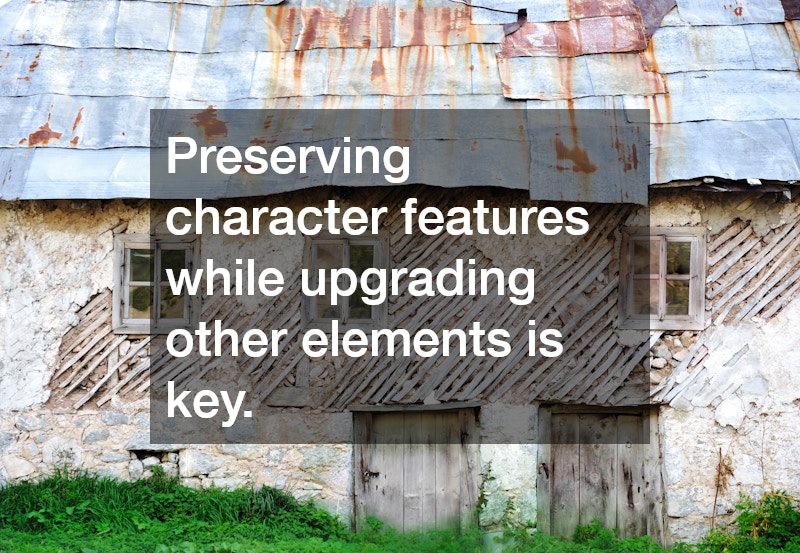
Preserving character features while upgrading other elements is key to maintaining balance in historical homes. Keeping original fireplaces, built-in cabinets, or stained glass windows can juxtapose beautifully with contemporary upgrades. Such elements highlight the unique character of the property, which is often what initially attracts buyers. Strategic renovations that respect the home’s history while integrating essential updates often result in faster sales and higher price points. This careful approach can also be cost-effective, as the modern needs of homeowners today are integrated without losing the integral charm of the home.
How can I prepare the land to maximize sale potential?
Enhancing curb appeal through landscaping improvements can significantly raise a property’s perceived value. Beyond aesthetic flora and fauna, consider features such as garden paths, outdoor lighting, and water features to draw in buyers. These visual enhancements can create a profound first impression, inviting prospective buyers to see the full potential of both the home and its surroundings. Allocate resources wisely in this step, as landscaping often provides one of the highest returns on investment in real estate. Emerging trends, such as permaculture or native landscaping, can also differentiate the property and appeal to eco-conscious buyers.
Considering zoning laws is vital, as these dictate permissible uses of the land and potential development opportunities. Being aware of any restrictions can help streamline renovations and future-proof plans. It’s equally important to investigate future development in the area, as this can influence property values and buyer interest. The prospect of neighborhood growth often attracts buyers who envision long-term benefits in living in an expanding community. Collaborating with local authorities or planners can unearth untapped potential that aligns with your renovation goals.
A well-executed renovation plan for an old house and thoughtful land preparation can significantly increase the property’s desirability and market value, making it an attractive investment to both buyers and sellers in the real estate market. The process involves a careful assessment, strategic updates, and an appreciation for historical value blended with modern convenience. An emphasis on energy efficiency, curb appeal, and market trends ensures the property stands out among competitors. By balancing preservation with innovation, older homes resonate with a wide array of buyers in an evolving real estate landscape. Investment in such properties not only enhances financial returns but also preserves architectural craftsmanship for future generations to enjoy.